CATTAILS ON THE FALL MENU?
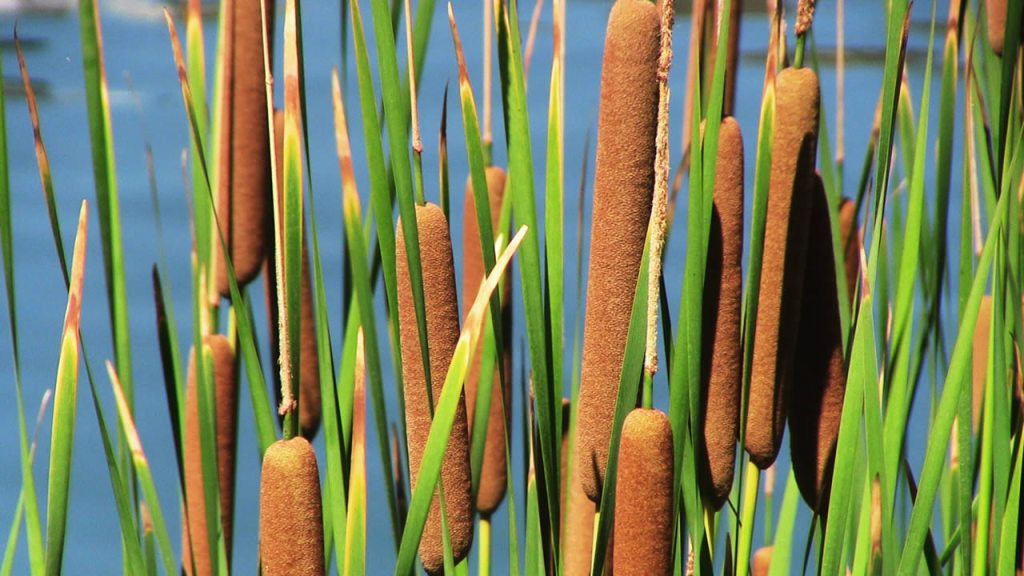
Pandemics, politics, protests, and then there’s ponds. Making it a point each day to pass a certain pond to pause and reflect seems to drive all negativity from the other P-words, away. The view there changes daily. The color of the water, the wildlife it brings, and the beautiful plants growing in and around its perimeter are new with each visit. This may be a strange way of introducing you to one certain, swordlike, perennial plant that can be found there. But, I have to set the scene. Right? It’s the Cattail. Typha latifolia, also known as Bulrush, Reed mace, and Corndog grass it’s spread by rhizomes underwater and is not actually a true grass. Each of the tall, slender leaves wraps around the main stem underwater or under the soil. They, too, spread from the rhizomes.

      Found in ponds or marshes, It’s considered an herbal plant because every part is beneficial to a variety of species, including humans. Native Americans were adept in using the cattail. It is a very reliable food source, as all parts, from the roots to the flowerheads are edible and very nutritious.  The roots can be boiled, roasted as a coffee substitute,  or dried to make flour. Think cattail pancakes, biscuits, or muffins. If the roots are used, be mindful that the whole cattail root system acts as a unique underwater filtration system. So, if the body of water could possibly be polluted, the roots will have absorbed some of the pollutants. The starchy center of the stalks and the flowerheads also can be roasted for a nutty-tasting snack. 

     This plant has been used for mats, baskets, rush bottom furniture, clothing, tinder, torches, arrow shafts, cordage, and shelter. The downy seeds or “fluff,” which you will see if you tear one apart, have been used in absorbing diaper material, used to stuff pillows, mattresses, and even stuffed life jackets during World War ll. Industrially, parts of this plant were distilled in ethyl alcohol to make an inexpensive antifreeze and also a solvent.

     The medicinal uses are many. It’s actually one of the best survival plants. Poultices can be made from the bruised roots and applied to wounds, burns, stings, and bruises. Burned cattail ash can be used as an antiseptic or styptic. A honey like material, found at the base of the plant is used for toothaches. The young flowers have been used for diarrhea. One brown cattail is made up of over 250,000 seeds. Together, the dispersed seeds and cattail rhizomes can actually make an “island,” or soil-like platform, to ensure reproduction.

     Cattails are especially beautiful this time of year. The brown, fuzzy, cigar-like stalks, actually the female flowers, are used in many floral arrangements. The female flower is actually green before pollination and can be cooked and eaten like corn on the cob or made into refrigerator pickles. .  Having the male and female flower on the same plant, some consider this Monocot a valuable asset to the environment; Others consider it a common weed and want it eradicated. Next time, look closely at this remarkable plant. See the nests of various waterfowl, the hovering butterflies and different insects, the birds perched atop its tall stalks, the shelter it provides tiny fish, and consider erosion control.  Then decide. Enjoy the beauty and value of cattails in your holiday decorations.

HAPPY THANKSGIVING TO EVERYONE! 
HERBALLY DISTANCED HALLOWEEN

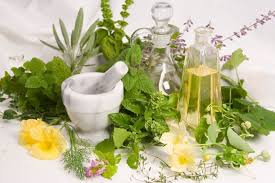
 No Trick or Treating! I think we all understand why. Do the Halloween spirits understand? The good ones do. But, what about the evil ones? No worries. Centuries of folklore and stories have told of using trees, plants, and herbs, yes herbs, to either rid or protect us from what evil may lurk. Luckily, most gardeners already grow the herbs that possess these abilities. 

     Herbs such as mint, rue, oregano, rosemary, garlic, thyme, dill, and sage were often made into wreaths, sprays, swags, or garlands and hung behind the doors, and in windows for protection. Small corsage-like bunches were often fashioned and worn as personal protectors on clothes, around the waist, or in the hair.  Angelica leaves are said to attract angels and were often strewn all over the house. Lavender, of course, is the herb of pure love and repels all evil. It is also said to instill psychic powers allowing you to see any coming evil spirits.

     Depending on herbal practices in different world locations, cinnamon, frankincense, peppermint, marjoram, fennel, pepper, elderberry, and even the very poisonous monkshood are all associated with repelling evil. And, if you find yourself feeling anxious on any dark, scary night, lemon balm or chamomile tea is the well- known remedy. On Halloween night just light your pumpkins or turnips, as were used in very early tradition, to drive away the spooks, the darkness, and all negativity. And couldn’t we use a little less of that right now.

      I bet you’re wondering, “Will these herbal precautions really do the trick?” I like to think they will. And there’s the treat!

Why Not Try Chai?


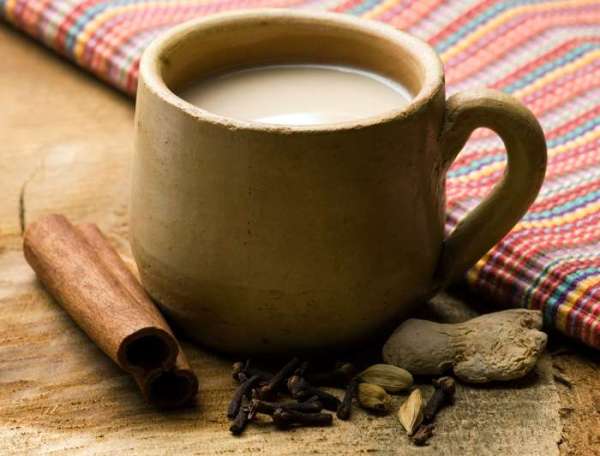
large_chai-tea


    It must be Fall; Pumpkin spice is everywhere! But my eye is on Chai; warming, healing, spicy, healthy, herbal Chai.  And, I’m not alone. Chai fans are increasing everyday. And, what better way to transition one’s body into Fall, than with a large cup of steaming, hot Chai. The flavor will be addictive; I guarantee.

    Chai is just a name for tea. Whether boiled, simmered, or steeped, it all starts with either black or Rooibos tea. But it’s the spices that make the drink. Chai began as a simple morning beverage, sold by vendors on the streets of India. Different regions of India dictated the recipe used, although the method was almost the same. Water, tea, spices, and sweetener were boiled together and strained. The perfect amount of milk was then added. Ratio is key here. (By the way, they use Buffalo Milk in India).  It’s still India’s most popular drink today.

    It’s been said that an ancient King in India developed Chai to keep him alert during  long court sessions. Some believe that Emperors made drinking Chai  a ritual in agreeing to peace treaties, and in other court culture. This practice eventually became popular among common people. They strongly believed it helped with digestion, and prevented disease. Tea does have health benefits, but along with the herbs and spices used to prepare this drink, it’s a powerhouse. Often made as a decoction, typically four or more herbs and spices are used to prepare Chai. Cardamom, Cinnamon, Ginger, Clove, and Pepper are most common.  Nutmeg, Fennel, Turmeric, and Star Anise are sometimes used. Chai Marsala includes green Cardamom, Saffron, and Vanilla. If prepared naturally, Chai is a soothing, powerful drink that produces a sense of well-being.

    It’s sad that Americanized Chai has become a sickly sweet, overly spiced,  flavored drink. In some cases, a powdered product, containing artificial spices is mixed with water, milk, or some mysterious cream base, and steamed to become a latte. Oh, and add some pumpkin spice flavored syrup and a long line of people will form. Except for the tea, no health benefits here. It sells, but that’s not what Chai was meant to be.

    Take time to breathe in the herbs and spices as you brew your own Chai one Autumn morning. Meditatively strain into your cup, and add the proper amount of milk. Lightly sweeten, and let the flavors of Chai ease you into the changes of a new season; healthy and balanced. You will be a convert.

YOU-PICK STRAWBERRIES

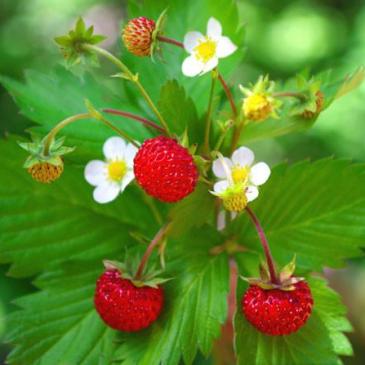
Another 4th of July, and I can’t help thinking of the Colonials, The Declaration of Independence, and “The Red, White, and Blue.” Having previously lived over ten years in Virginia, and very near to Colonial Williamsburg, where history lives 24/7, I particularly think about “the red.” In this case, I’m referring to the Strawberry.  Yes, the heart-shaped, perennial herb (Fragaria vesca) belonging to the rose (Rosaceae) family.

In 1789, Thomas Jefferson, included in his baggage, specimens of this delicate herb which  he had obtained in Europe. He later went on to grow the Alpine Strawberry at both his homes in Monticello and Poplar Forest. (Fragaria vesca)  goes by many common names.  . . Alpine Strawberry, Woodland Strawberry,  or Wild Strawberry are a few. This variety is compact, mounding, has white flowers that yield small, crimson red fruit that when ripe, is so very fragrant and flavorful.  However the yielded fruit could be classed as tiny. And although Jefferson believed this was one special plant that would enrich our country, he was often frustrated at the amount it took for a decent serving.

The medicinal use of Strawberry was first mentioned in ancient, Roman literature. The roots, leaves, and berries have a number of health benefits. Aside from the large amount of vitamins and minerals they possess,  you can find malic acid, a natural teeth whitener, in Strawberries. Strawberries reduce blood sugar spikes, and may help prevent cataracts. The flavonol, Quercitin, found in Strawberries can help prevent Cancer of the lung, skin, esophagus, breast and bladder. Quercitin is known to self-destruct Cancer cells in the body. Strawberry has been used for diarrhea, kidney stones, as an anti-inflammatory,  Anemia, and for purifying the blood as well.  Used as a compress, Strawberry in a cloth, held against the skin is used for rashes.  Its heart shape tells you immediately of its Cardiovascular value. And dipped in chocolate; well, there’s real value. Also, don’t forget your Strawberry fork, made especially for dipping Strawberries into various, delicious confections.

We know that in the 14th century, the French began taking the strawberry plants from the forest and transplanting them to their gardens. King Charles V of France had over 1200 strawberry plants in his royal garden. By the 16th century, experimentation with hybrids was taking place. But it wasn’t until the French variety was crossed with (Fragaria virginiana) from Eastern North America and the Chilean variety (Fragaria chiloensis), that the top, commercially-grown strawberry today, was produced. And that is the (Fragaria x annanasa.) It’s most likely in your garden now. But why not grow some of the old wild varieties. They are all edible, but some varieties have more medicinal value than others. Virginia has their own variety, and so does California. (Fragaria Californica).

Strawberries are plentiful in California right now.  Toast our Colonial forefathers with a tall glass of Strawberry iced tea while enjoying the fireworks. Oh, and don’t forget the Strawberry pie. Why don’t you pick Strawberries for your celebration. It just wouldn’t be the 4th without the “Red,” white and Blue!


A Most Royal Flower

Image result for myrtle

Everyone loves traditions, especially royal ones. This royal tradition involves love, lore, and a special herb. It’s the fragrant, delicate, Myrtle.  Although not rare, this herb’s existence has been elevated to English royalty by Prince Albert’s grandmother.  She once, graciously gave Queen Victoria a posy of myrtle during a visit. The Queen had a slip of  that myrtle planted against a wall at her home, Osborne House. It still grows there today. When the Queen’s daughter was married, a sprig of myrtle was cut and added to her wedding bouquet. And so the tradition has continued with each bouquet and each royal bride.  A true Victorian symbol,  Myrtle will always be found among the typically white flowers of the royal bride’s bouquet.

Since ancient times, Myrtle has been used medicinally, for pain, fever, respiratory, and skin aliments. Hippocrates, Pliny, Dioscorides, and Galen have all praised Myrtle in their writings.  Culinary uses of the berries include flavoring meats, such as Italian Mortadella sausage as well as chicken and fish dishes. The berries are also used in jams and liqueurs.  Leaves of the Myrtle can be used in teas, or used to flavor other dishes much the same as Bay leaves.

Reported to sometimes dismiss some tradition, Meghan Markle will welcome the tradition of the Myrtle as she marries Prince Harry in only hours. So much has been said of the bouquet. What style and which flowers? Will it be large and flowing, or wired and petite? Roses, Lilly of the valley, Ranunculus, Peony, Sweet Peas, and Astrantia are good guesses. No matter the predictions, her wedding bouquet will include Myrtle, the Royal Osborne Myrtle, the Royal herb. And another good prediction is seeing the Myrtle included in many  U.S. gardens in the near future.


New Beginnings

For many, Spring has always been a time for new beginnings. So, what better time to debut my new herbal blog. After sending a quarterly newsletter to those of you curious about various herbal subjects, I found, as I’m sure you did too, that the newsletter was too long.  And, it seemed to grow longer with each issue.  My newsletter has ended.

A short blog seems the perfect answer for one who always has so much to say on the subject of herbs. Less work for me; less reading for you.  I promise not to flood your mailbox, but occasionally  post herbal subjects  I hope you will find interesting.  This blog is truly a “new beginning,” for me, for you, and anyone interested in following my views on the myriad of subjects associated with herbs.

Now For A Short, First Blog …

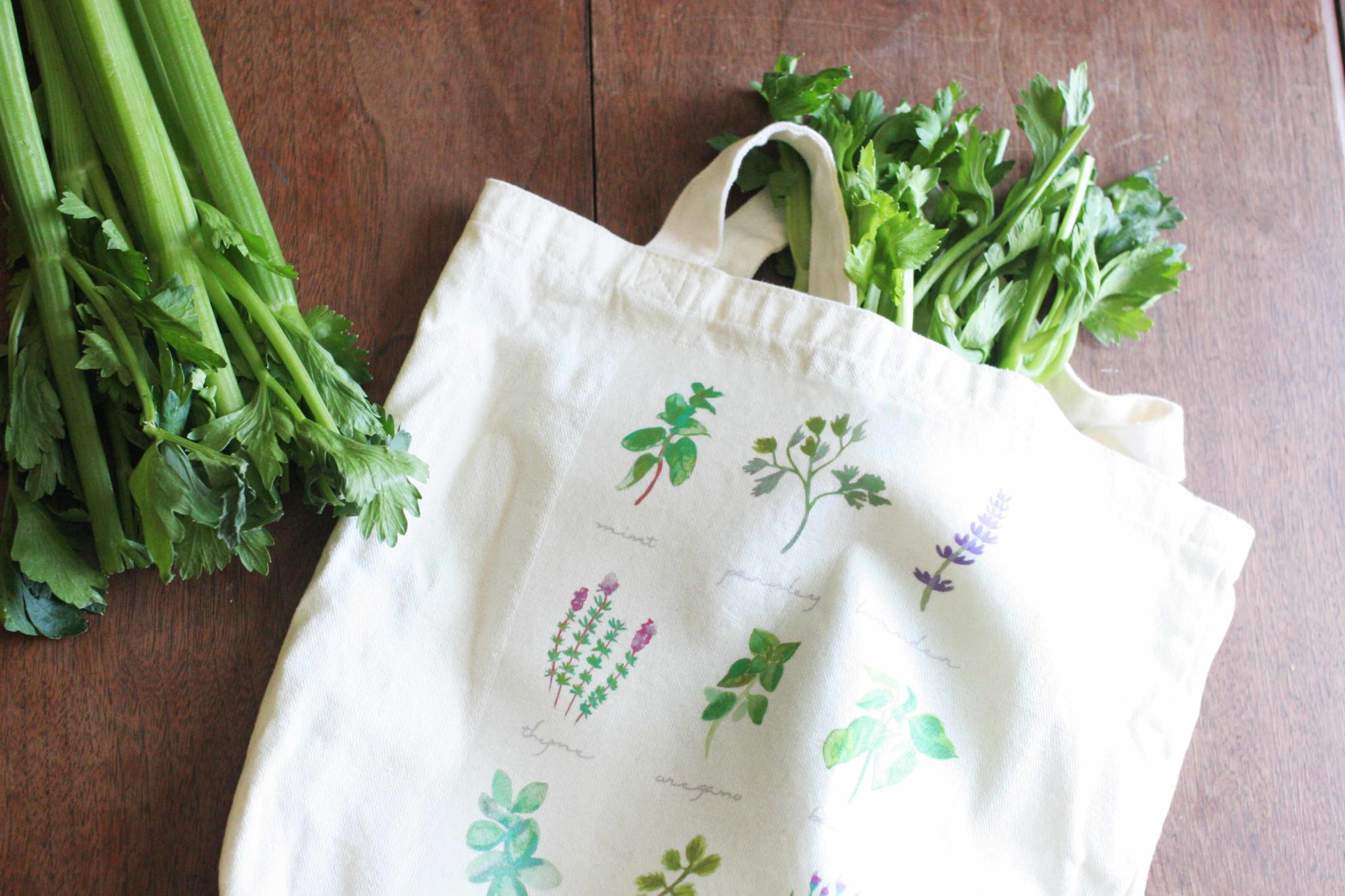
diy-market-bag-herbs-crafivity-designs008

If you are obeying the law in California, and doing your part to help our environment, your vehicle is loaded with reusable grocery bags. You and your bags are ready for a planned or unexpected stop at the grocery store or farmer’s market at a moment’s notice.  Now these bags … If you’re like me, you carry an assortment of sizes. Some  paper; some cloth, and some thick plastic. After countless trips to different stores, those bags have repeatedly carried frozen foods,  fresh veggies, herbs, fruits, eggs, meats and fowl.  A lot of different germs and bacteria can build over time.  Microorganisms that can cross-contaminate and possibly breed Listeria, E. Coli, and Salmonella.

Do you see where this is leading? Everyone, please clean those bags regularly; At least once a month. Just as you do with your fresh bounty from the garden, wash your store-bought produce too. Particles of soil that remain on fresh herbs, flowers, or veggies may cause you harm. Submerge them in water to which a few drops of white vinegar has been added. Swish, discard water and repeat. Do this several times in a bowl or salad spinner. Safe is always better than sorry.